

K-pop fans pour into the National Museum of Korea as trips change
Foreign visitors to the National Museum of Korea top 230,000 as K-pop and K-drama tourists seek heritage, galleries, and cultural goods.
National Museum of Korea Visitors Surpass 6.5 Million, a 70% Surge from Previous Year
The travel patterns of foreign tourists who first encounter Korea through K-pop and K-dramas are shifting. Moving away from past patterns of visiting shopping, food, and idol-related landmarks, a movement is emerging to explore Korea's historical and artistic roots.
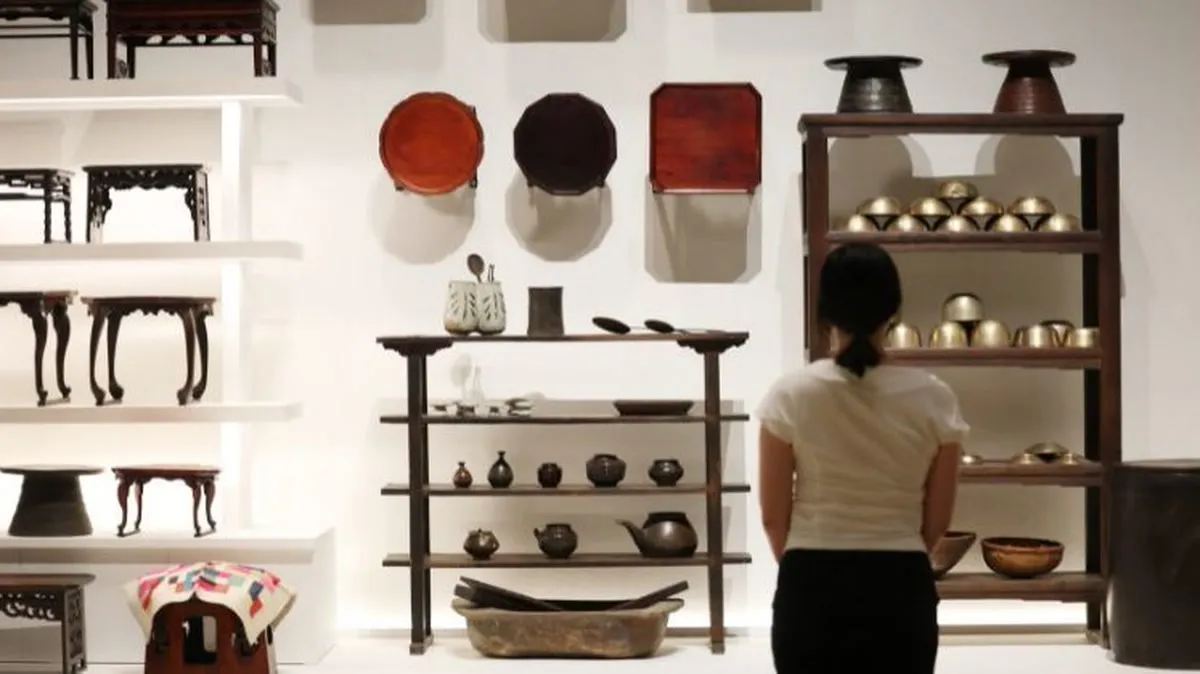
This change is evident in the visitor numbers at the National Museum of Korea. In 2025, visitors to the National Museum of Korea exceeded 6.5 million. This represents an increase of approximately 70% compared to the previous year, recording it as the third most visited museum in the world. The number of foreign visitors also showed remarkable growth, surpassing 230,000. In the first half of 2024, foreign visitors increased by 55.6% compared to the same period in 2019, before the COVID-19 pandemic.
Cultural Tourism Expanding to Samcheong-dong, Hannam-dong, and Seongsu-dong Galleries
Foreign tourists' interests are expanding beyond national museums into contemporary art spaces. While those seeking traditional history visit national museums, those preferring a modern sensibility seek out small galleries in the Samcheong-dong, Hannam-dong, and Seongsu-dong areas.
Galleries in these regions showcase installation art, photography, video, and media art by emerging artists. Large national art museums exhibit Korean modern and contemporary art alongside works by world-renowned artists. Recent cultural spaces are operating in a form that combines exhibitions with relaxation, featuring unique architectural beauty, gardens, cafes, and photo zones.
Popularity of Immersive Exhibitions and Goods Reinterpreting Traditional Patterns
The influence of K-content is also reflected in museum consumption patterns. As demand grows to see the royal culture or traditional patterns featured in historical dramas, museum goods that modernly reinterpret patterns from traditional paintings have established themselves as major souvenirs among foreign tourists.
Currently, Korean cultural spaces offer a wide range of forms, from cultural heritage containing thousands of years of history to contemporary art, media art, and immersive exhibitions. Permanent exhibitions at the National Museum of Korea are operated free of charge.
Related articles