

Jang Dong-min’s Confession Puts SBS Health Show “Three Perspectives” Under a Verification Lens
SBS’s “Three Perspectives” uses Jang Dong-min’s health scare to test how health variety shows turn personal stories into verified public guidance.
Seoul Broadcasting System’s health information program “Three Perspectives” will place Korean comedian Jang Dong-min’s experience with cerebrovascular risk at the center of its June 7 broadcast, scheduled for 8:35 a.m. The episode uses Jang’s personal account as more than a dramatic medical confession, raising a broader question for health-focused variety television: how can a private story be turned into useful public information without turning illness into spectacle?
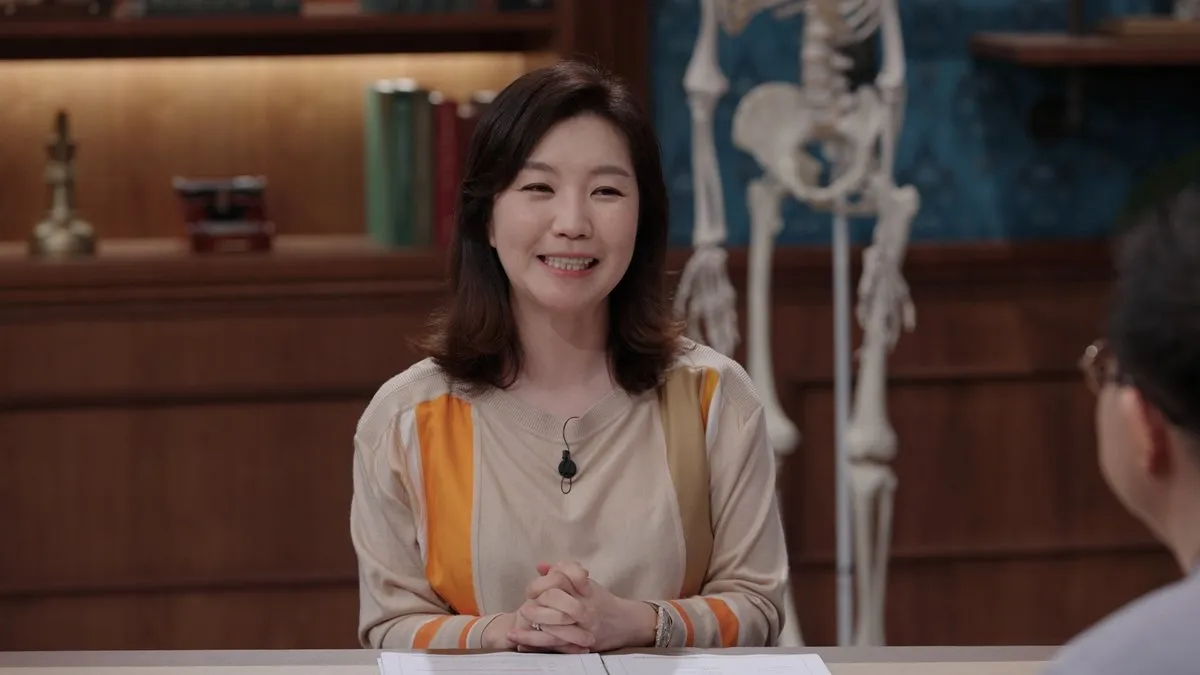
Jang describes his experience on the broadcast with the phrase, “I came back alive from the threshold of death.” He says that when he bent his head to wash his face, he suffered a heavy nosebleed. He also recalls that his weight had reached 100 kilograms at the time and that he had treated rising blood pressure lightly. In a variety show format, those details create an immediate and striking opening.
The force of the scene, however, is not the same thing as a medical conclusion. A nosebleed alone cannot determine whether someone has cerebrovascular disease, and a personal account presented on television remains a participant’s recollection rather than a diagnostic record. The real value of the episode depends on how it explains the need to pay attention to unusual physical signals instead of leaving viewers with fear alone.
That is where “Three Perspectives” separates itself from a standard talk show. Rather than using Jang’s confession only for surprise or entertainment, the program connects it to explanations from expert panelists and health information segments. The point for viewers is not to absorb private details of Jang’s medical history, but to understand what standards should guide action when warning signs appear.
On the broadcast, internal medicine specialist Han Sung-min explains that delays can be critical when blood vessels in the brain become blocked. Stroke guidance associated with the American Heart Association also states that, when treatment is delayed, about 1.9 million brain cells may be damaged every minute on average. The purpose of that figure is not to amplify fear, but to show in compressed form why the instinct to simply wait and see can be dangerous.
Health entertainment programs also need to state the limits of the numbers they use. The U.S. Centers for Disease Control and Prevention lists high blood pressure, obesity, diabetes, heart disease, smoking and lack of physical activity among factors that can raise the risk of stroke. Jang’s references to weight and blood pressure can be understood within that larger risk category, but a single television scene cannot calculate any individual’s actual level of risk.
For that reason, the information value of this episode is not a one-step prescription such as taking omega-3 and omega-6. It lies in the basic principles viewers can act on: checking blood pressure, weight and lifestyle habits regularly, and seeking medical help when abnormal symptoms appear. A health information variety show earns trust when it leaves behind practical standards for action rather than product names or secret remedies.
Seen as entertainment programming, the shift is clearer. According to the official SBS program page, “Three Perspectives” is scheduled for Sunday mornings at 8:35 a.m. Its replay list repeatedly features everyday health subjects likely to interest middle-aged viewers, including visceral fat, collagen, dementia, joints and inflammation. The cerebrovascular episode starring Jang Dong-min fits within that same programming pattern.
The important difference is how the show uses a celebrity guest. Older health information programs often leaned on expert lectures and reenacted cases, while newer formats lower the barrier to entry by having broadcasters talk about their own physical condition. Jang’s confession functions in that way. A familiar face discussing warning signs can make the information easier for viewers to receive, but the program must still avoid exaggerating fear for dramatic effect.
If that balance collapses, health entertainment can quickly read as promotional information or disease-anxiety content. If personal cases, expert explanations and official emergency standards are kept distinct on screen, the genre becomes useful. That distinction is the key point on which this episode will be judged: Jang’s remarks are the starting point, while viewers’ standards for judgment should come from verified medical information and responsible editing.
There are three points viewers should watch for in the broadcast. First, whether Jang Dong-min’s experience is handled as a case for risk awareness rather than as a definitive disease label. Second, whether the program presents management areas such as blood pressure, weight and lifestyle habits in concrete terms without packaging any specific nutrient as a universal solution. Third, whether it clearly separates signs that require immediate emergency help, including facial drooping, arm weakness, slurred speech and sudden problems with vision or balance.
If it meets those standards, the Jang Dong-min episode of “Three Perspectives” will move beyond a simple confession preview. The work of health information entertainment is not to keep viewers anxious, but to help them take action after the broadcast: measure blood pressure, remember warning signs and connect with medical care when it is needed.